How Do I Build Contrast in a First Bite Appetizer?
Crafting a first bite appetizer that captures attention, excites the palate, and sets the tone for the rest of the meal is a culinary art. Whether you're planning a standing bites reception or a seated multi-course dinner, building contrast in your appetizer is key. Contrast adds depth, intrigue, and balance—offering a harmonious interplay of flavors and textures that leave guests eager for the next bite.
Why Focus on Contrast in the First Bite?
The first bite is your moment to shine. It’s a sneak preview of what’s coming, and it should spark curiosity as well as delight. Contrast—be it in texture, flavor, temperature, or color—engages all the senses and awakens the palate, making even the simplest ingredient feel sophisticated. When thoughtfully layered, contrasts can emphasize seasonal produce and elevate humble components into something extraordinary.
Produce-First Planning: The Heart of Contrast
At the core of building contrast in your appetizer lies a produce-first mindset. This means starting your menu planning with seasonal, vibrant ingredients—especially those California treasures that burst with freshness thanks to the state’s abundant sunshine and soil variety.
The California Department of Food and Agriculture is a fantastic resource for sourcing seasonal produce native to the region, which naturally lends your dishes vividness, authenticity, and nutritional value. When you build from the ground up with produce, you invite nature to bring contrast for you:
- Sweet and Salty: Think ripe heirloom tomatoes paired with a sprinkle of flaky sea salt or a salted caramel drizzle over stone fruit garnished with fresh herbs.
- Crunchy Nuts: Toasted pistachios, hazelnuts, or Marcona almonds add textural layers and a naturally nutty flavor that complements many vegetables and cheeses.
- Acidic Cheese: Tangy goat cheese, feta, or a young pecorino cut through richness and freshness for balance.
Choosing your produce seasonally ensures your appetizer not only tastes great but speaks of place and time, creating a multisensory memory for your guests.
Menu Pacing and Phases: Building Anticipation
Contrast in your first bite appetizer doesn’t just happen by chance—it’s woven into your menu’s pacing and phases. Think about your event like a story, where the first chapter must captivate without overstating the entire plot.
- Start Light and Bright: A crisp, refreshing contrast is ideal. For example, a bite combining the juicy acidity of citrus with the buttery smoothness of a California avocado mince and crunchy grains can intrigue without overwhelming.
- Layer Flavor Complexity: Add intrigue in phases. Perhaps a touch of honey for sweetness, balanced by an unexpected herb note like tarragon or shiso. This gradual buildup invites guests to savor nuances.
- Balance Temperature and Texture: Alternating between cool elements (like a chilled cucumber gelée) and warm bites (a quick seared scallop or mushroom duxelles) creates an electric contrast in mouthfeel.
Speed and pacing matter especially in standing bite settings versus seated courses. With standing bites, guests expect quick, punchy combinations that deliver maximum flavor in minimal time. Conversely, seated courses allow for slower, evolving experiences where contrasts can develop and linger, influencing your ingredient choice and construction technique.
From the Market Stall to Your Plate: Leveraging Seasonal California Ingredients
The beauty of planning your appetizer around local, seasonal California ingredients is the incredible range of textures and flavors on offer:
Ingredient Season Typical Flavor Profile Contrast Idea Fuyu Persimmons Fall - Winter Sweet, honey-like, smooth Pair with tangy goat cheese and crunchy toasted walnuts Mission Figs Late Summer - Early Fall Juicy, sweet, seedy crunch Contrast with prosciutto and a swipe of sharp pecorino Fresh Artichokes Spring - Early Summer Earthy, slightly nutty, tender Brighten with lemon aioli and sprinkle with crunchy toasted pine nuts Bing Cherries Summer Sweet, tart, juicy Balance with smears of ricotta and a drizzle of aged balsamic vinegarSeasonality guides ingredient availability, keeps costs down, and supports the local economy—all important for sustainable menu planning.
Balancing Standing Bites versus Seated Courses
With the rise of experiential dining, many chefs and hosts are choosing between standing bites—small, easy-to-eat canapés perfect for mingling—and the tradition of seated https://www.ediblela.com/a-california-casino-night-menu-built-around-seasonal-produce multi-course dinners. Each format demands a different approach to contrast in the first bite.

Standing Bites
- Size Matters: Small, one- or two-bite portions are essential to keep things manageable without utensils.
- Bold Contrasts: Flavors and textures need to be immediately identifiable—think sharp acids that cut through richness or crunchy nuts that provide tactile interest.
- Practical Assembly: Ensure bites stay intact and flavorful even if eaten on the move or standing.
Seated Courses
- Subtle Complexity: Larger portions and the presence of cutlery let you build slower evolution of contrasts within the bite.
- Temperature Play: You can include warm and cold elements on the same plate, building dynamic temperature contrasts.
- Visual Staging: Plating becomes a narrative tool, enhancing contrast not just in flavor but appearance as well.
Whether you're hosting an intimate dinner party or a lively gathering, your first bite appetizer sets expectations. Planning it with care around contrast makes the start unforgettable.
Unexpected Inspiration: What Food and Gambling Have in Common
You might be surprised to learn that inspiration for layering contrast and pacing can come from places beyond the kitchen. For example, exciting innovations in formats from the online casino at MrQ and their live casino formats, regulated by the Gambling Commission (Great Britain), emphasize balance, anticipation, and rapid engagement—all qualities we want in our appetizers.
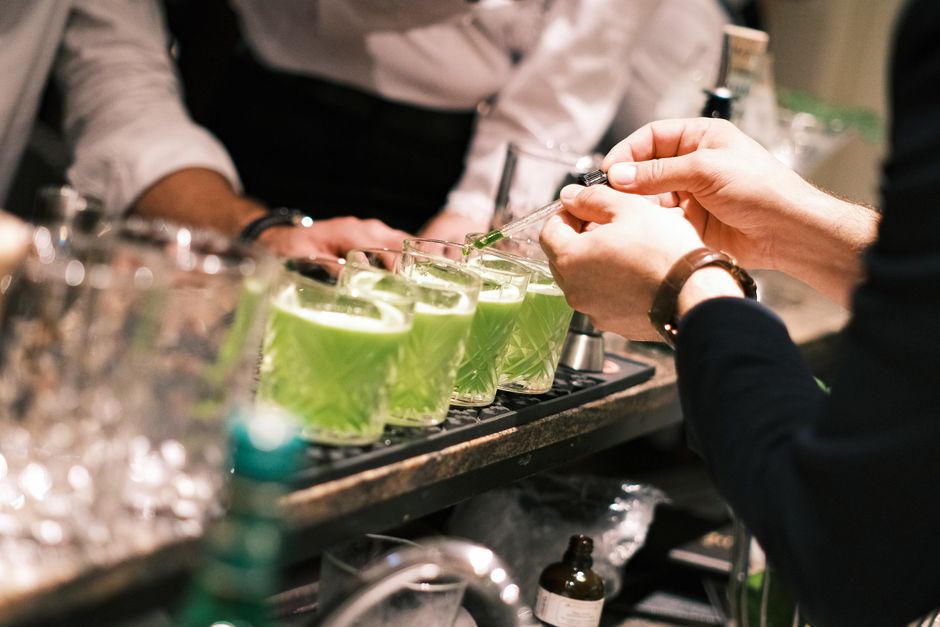
Like a well-designed casino game, a perfect first bite combines contrast and rhythm—sweet and salty notes woven like a winning strategy, crunchy nuts that catch your attention like a sudden move, and acidic cheese cutting through richness with precision. Watching these elements theory unfold in another field can inspire fresh approaches in menu pacing and flavor layering.
Final Tips for Building Contrast in Your First Bite Appetizer
- Start with seasonal produce: lean on local farms and seasonal calendars, like those provided by California’s Department of Food and Agriculture.
- Combine sweet and salty: like figs with prosciutto, or a drizzle of honey balanced by flaky sea salt.
- Add texture through crunchy nuts: toasted almonds or crushed pistachios can elevate creamy components.
- Use acidic cheese strategically: soft goat cheese, tangy feta, or sharper pecorino can brighten fatty or sweet elements.
- Adjust your construction for the event format: standing bites call for strong immediate contrasts, while seated courses allow for subtler interplay.
- Think about menu pacing: your first bite should be light but intriguing, setting the rhythm for what’s to come.
By building contrast thoughtfully, your first bite appetizer becomes the memorable gateway into a meal that celebrates the best of local California flavors, seasonal bounty, and creative culinary technique.